The Resurrection of the Dead
Main Texts: John 5:28–29; 1 Corinthians 15:20–58; John 6:39–40, 44, 54; Philippians 3:20–21
Introduction
Most men do not mind talking about death until the Bible forces them to face what comes after it. Funeral talk is usually soft. Jesus is not. He says the hour is coming when the dead will hear His voice and come out of the tombs.
The grave is not the end of the story. The righteous will rise. The wicked will rise. The same Lord who speaks now will speak then, and the cemeteries of this world will answer to Him. Some turn resurrection into vague spiritual language, funeral comfort, or slice it up into secret phases and prophetic machinery. Jesus did not speak that way.
The resurrection is not some side doctrine for prophecy hobbyists. It stands near the center of the Christian faith. If the dead are not raised, then Christ has not been raised, preaching is empty, and we are still in our sins (1 Corinthians 15).
Thesis
The resurrection of the dead is a single, universal, bodily, and final act of Christ’s authority in which every person will rise at His voice—some to life, and the rest to judgment.
I. Christ’s Resurrection is the Anchor of Ours
When Paul comes to the denial of the resurrection in Corinth, he treats it like a blow to the chest of the gospel itself. He does not pat that down with soft words; he crushes it.
If there is no resurrection of the dead, then Christ has not been raised. If Christ has not been raised, faith is worthless, the apostles are liars, and we are still in our sins. Pull this doctrine out, and the whole system caves in.
But Christ did rise. Literally, bodily, historically. He rose as the "first fruits of those who are asleep" (1 Corinthians 15:20). He is giving the order: Christ first, then those who are His at His coming, then the end. Because He rose, the resurrection of the dead is certain.
II. The Resurrection is One Universal Event Under the Voice of Christ
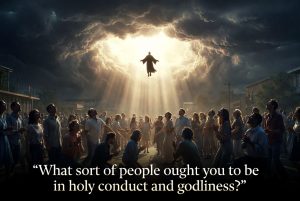
Jesus said, “Do not marvel at this; for an hour is coming, in which all who are in the tombs will hear His voice, and will come forth” (John 5:28–29).
That text is not muddy. Men muddy it. Notice the timing: "An hour is coming." He does not describe one bodily resurrection for one group and another bodily resurrection for another group a thousand years later. Notice the scope: "All who are in the tombs."
The result is two destinies—a resurrection of life, and a resurrection of judgment—but there is only one universal summons under the authority of the Son of God. Jesus repeatedly says He will raise His people up "on the last day" (John 6). Not a day before some later thousand-year phase. The last day. The day of consummation and finality.
Stop borrowing resurrection language from popular prophecy culture. Use Bible words. Use Bible order.
III. The Resurrection is Bodily, Not Imaginary
Some hollow out the resurrection, talking as though it is only spiritual or symbolic. Scripture will not let them get away with that.
Paul says the body is sown perishable and raised imperishable, sown in weakness and raised in power (1 Corinthians 15:42–43). He says it is sown a natural body and raised a spiritual body. That does not mean no body. It means a body fitted for the age to come under the full power of God.
Philippians 3:20–21 says Christ “will transform the body of our humble state into conformity with the body of His glory.” Death is an enemy because it tears apart what God joined in man. Resurrection answers that enemy. The grave is not the final owner of the body. Christ is.
IV. The Resurrection is Unto Life or Unto Judgment
Soft religion likes reunion language and sentimental language. Jesus did not speak that way. He said there is a resurrection of life and a resurrection of judgment.
For those in Christ, the resurrection is hope fulfilled and victory realized. For the rebellious and unrepentant, it is exposure and the public answer of God to a lifetime of unbelief, sin, pride, and rejection of His word. The line is not blurry; it is moral, spiritual, and final.
The same Lord who raises the dead is the Judge of the living and the dead. The same voice that calls bodies from the tombs also settles their destiny. The question is not whether you will be raised—you will. The question is what kind of resurrection yours will be.
V. The Doctrine of Resurrection Demands Present Readiness
Paul does not end 1 Corinthians 15 with speculative excitement. He ends with steadfastness: “Therefore, my beloved brethren, be steadfast, immovable, always abounding in the work of the Lord, knowing that your toil is not in vain in the Lord” (1 Corinthians 15:58).
True resurrection doctrine does not produce chart addicts or lazy believers waiting for escape. It produces steadfast Christians who know that labor in the Lord matters because death is not the end. A man who really believes in resurrection will not trifle with sin or build his life around temporary success.
Conclusion
The voice that spoke light into existence will one day speak to the dust, and the dust will obey. Christ will not ask permission from the grave. Do not turn this into speculation. Do not soften it into poetry. Christ was raised. Therefore the dead will be raised. All of them. And the only thing that will matter in that hour is whether you belong to Him.
Invitation
Do not admire Jesus from a distance. Do not assume death will solve disobedience. Belong to Him before that hour.
Hear the word, believe in Christ, repent of your sins, confess His name, and be baptized for the remission of your sins. If you are a Christian who has drifted, repent and pray. Be steadfast.